

Are you craving something truly special for dinner tonight — but tired of making the same old recipes?
South India is home to some of the most flavourful, aromatic, and soul-satisfying foods in the entire world. From the crispy golden dosa of Karnataka to the rich, coconut-soaked curries of Kerala — every dish tells a story of tradition, family, and incredible spices.
The best part? You don’t need to visit a restaurant to enjoy these dishes. With the right ingredients and a little patience, every single one of these South Indian special foods can be made in your home kitchen.
In this post, I’m sharing the 15 most loved and iconic South Indian special foods — with a quick recipe overview, tips, and everything you need to know to make them perfectly at home.
Let’s cook!
Why South Indian Food is So Special
Before we dive in, let’s talk about what makes South Indian cuisine so unique.
Unlike North Indian cooking, South Indian food is built around rice, lentils, tamarind, coconut, and curry leaves. The tempering — called tadka or oggarane — using mustard seeds, dried red chillies, and asafoetida is what gives every dish its signature aroma.
South Indian food also varies beautifully by state:
- Karnataka — Known for Bisi Bele Bath, Masala Dosa, Ragi Mudde
- Kerala — Famous for Appam, Fish Curry, Puttu
- Tamil Nadu — Iconic for Chettinad Chicken, Idli Sambar, Pongal
- Andhra Pradesh — Celebrated for fiery Gongura Mutton, Pesarattu, Hyderabadi Biryani
Now let’s get into the list!
1. Masala Dosa — The King of South Indian Breakfast
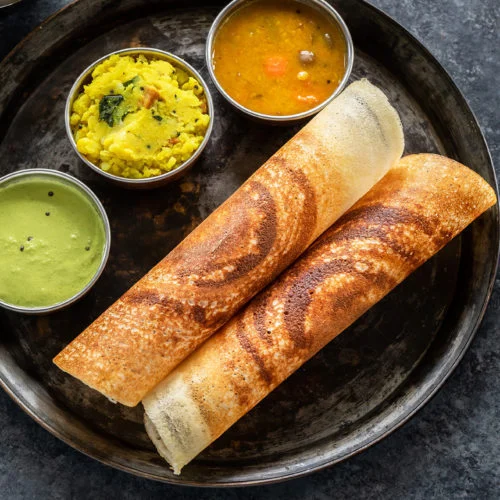
If there is one South Indian dish that every Indian knows and loves, it is the Masala Dosa.
Originally from Udupi, Karnataka, this crispy, golden crepe is made from fermented rice and lentil batter, stuffed with a spiced potato filling, and served with coconut chutney and piping hot sambar.
Why you’ll love it:
- Crispy on the outside, soft on the inside
- Naturally vegan and gluten-free
- Perfect for breakfast, lunch, or dinner
Quick recipe tips:
- Soak rice and urad dal for at least 6 hours before grinding
- Ferment the batter overnight in a warm place (keep near your gas stove)
- Always spread the batter in a circular motion on a hot tawa
- Add a little ghee on the edges for extra crispiness
Best served with: Fresh coconut chutney + tomato chutney + sambar
2. Idli Sambar — South India’s Comfort Food
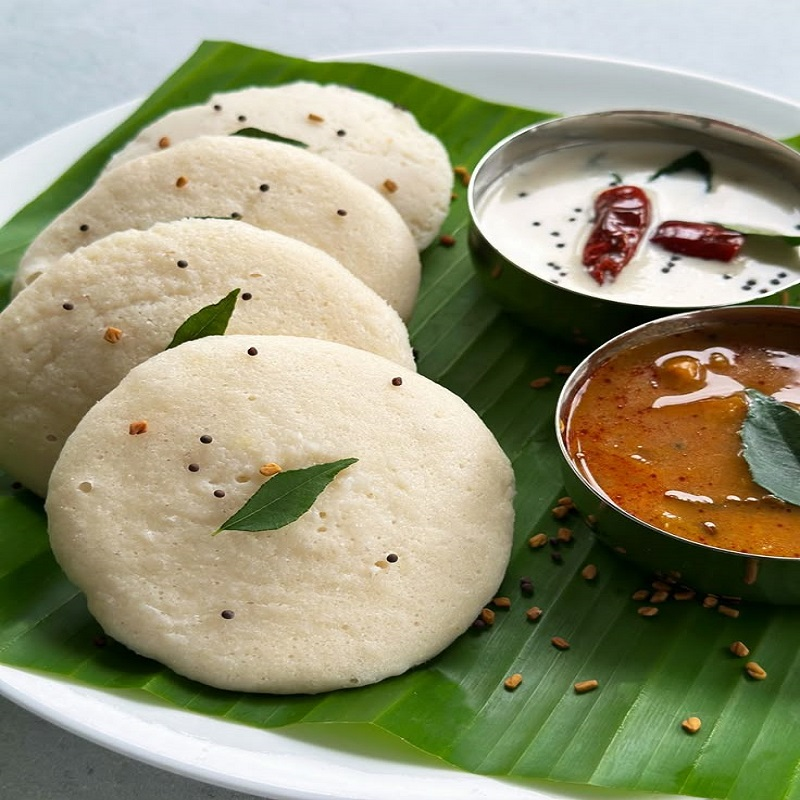
No list of South Indian special foods is complete without Idli Sambar — the dish that millions of Indians wake up to every single morning.
Soft, fluffy, steamed rice cakes served with a tangy lentil and vegetable stew — this is pure comfort in a bowl.
Why you’ll love it:
- Light, healthy, and easy to digest
- High in protein (lentils + rice combination)
- Perfect for kids and elders alike
Quick recipe tips:
- Use the same fermented batter as dosa — just pour into idli moulds
- Steam for exactly 10–12 minutes — do not over-steam or they become hard
- For sambar: use toor dal, tamarind water, tomatoes, and fresh sambar powder
- Add drumstick (moringa) and small onions to your sambar for authentic flavour
Best served with: Coconut chutney, tomato-onion chutney, and ghee on top
3. Bisi Bele Bath — Karnataka’s Ultimate One-Pot Meal
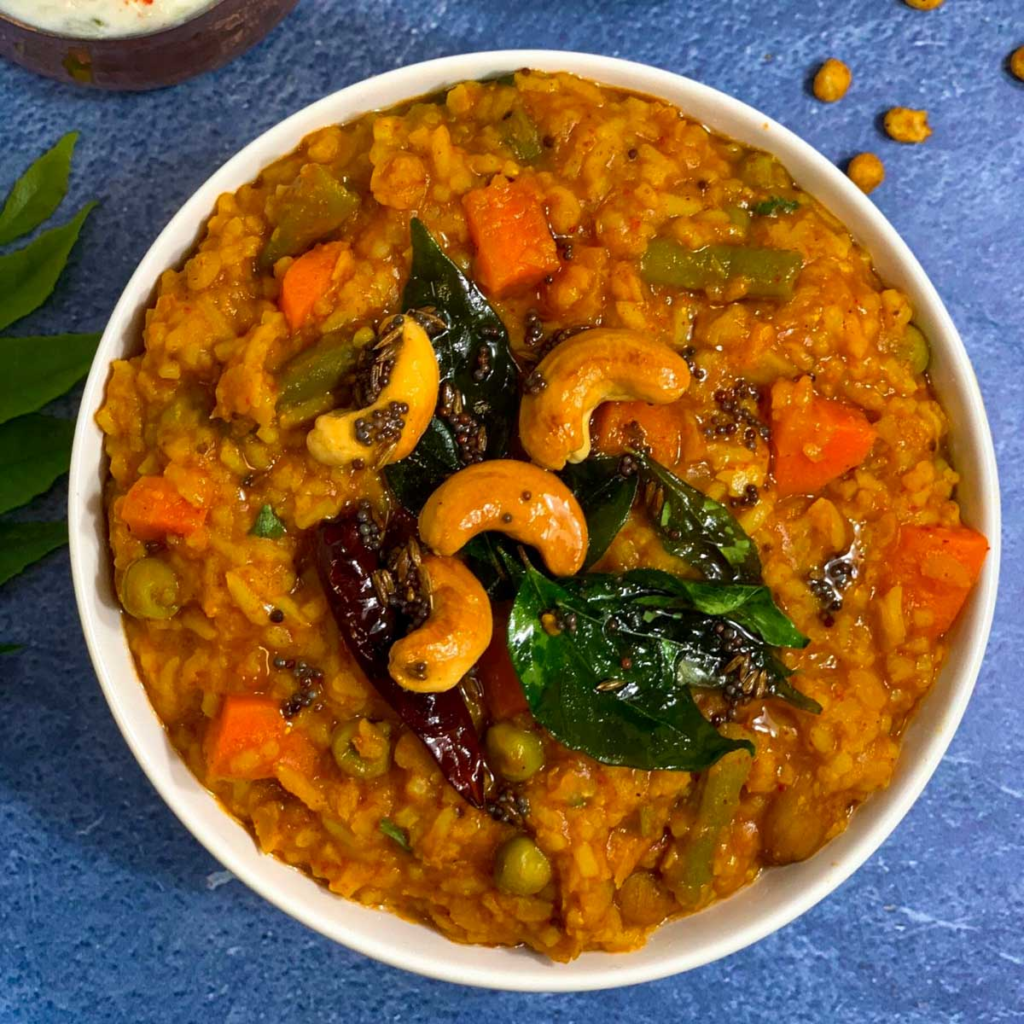
Bisi Bele Bath (which literally means “hot lentil rice” in Kannada) is Karnataka’s most beloved comfort food and one of the most special South Indian dishes in existence.
This one-pot dish brings together rice, toor dal, fresh vegetables, tamarind, jaggery, and a special Bisi Bele Bath powder into a rich, warming, deeply satisfying meal.
Why you’ll love it:
- One pot — minimal cleanup
- Balanced meal with carbs, protein, and vegetables
- Has royal roots — traditionally made in Mysore palace kitchens
Quick recipe tips:
- The secret is the Bisi Bele Bath powder — make it fresh with coriander, cumin, cloves, cinnamon, and dried coconut
- Cook the rice and dal together with a 1:2 ratio
- Add vegetables like carrot, beans, peas, and potato
- Finish with a generous ladle of ghee and cashews fried in butter
- Serve immediately — it thickens as it cools
Best served with: Boondi raita, potato chips, and pickle
4. Kerala Fish Curry — Coastal Magic in a Bowl
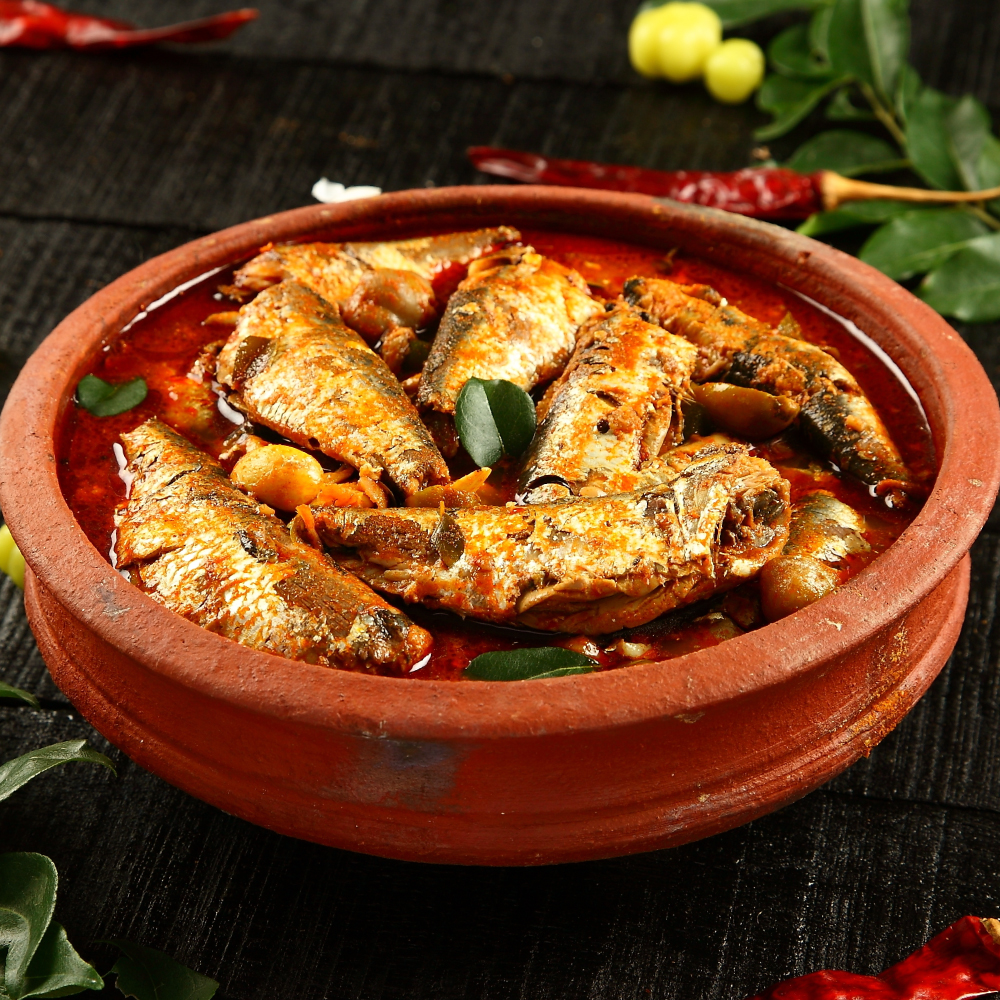
If you love fish, the Kerala Fish Curry will change your life.
Cooked with raw mango or kodampuli (Gamboge), coconut milk, and an aromatic blend of spices, this curry has a flavour that is tangy, spicy, and creamy all at once — something no other cuisine in the world can match.
Why you’ll love it:
- Rich coconut milk base makes it incredibly creamy
- Kodampuli gives a unique tangy flavour you cannot replicate
- Ready in under 30 minutes
Quick recipe tips:
- Always cook Kerala fish curry in a clay pot (man chatti) — it makes a huge difference to the flavour
- Use firm fish like kingfish, pomfret, or catla
- Add kodampuli (not tamarind) for authentic Kerala taste — find it in any South Indian grocery store
- Do not stir too much — let the fish cook gently so it doesn’t break
Best served with: Steamed red rice or Malabar parotta
5. Chettinad Chicken Curry — Tamil Nadu’s Most Famous Non-Veg Dish
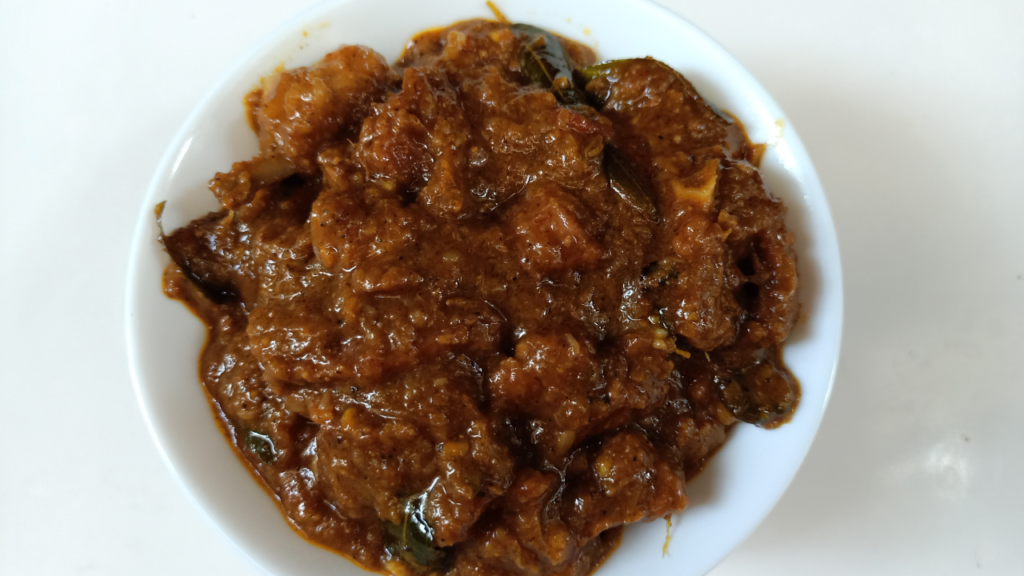
Chettinad Chicken from Tamil Nadu is one of the most flavourful chicken curries you will ever taste — and it is made entirely with whole, freshly ground spices.
Named after the Chettinad region of Tamil Nadu, this curry is dark, rich, spicy, and deeply aromatic — made with kalpasi (stone flower), marathi mokku (dried flower pods), and freshly ground pepper.
Why you’ll love it:
- No store-bought masala — everything is freshly ground
- Incredibly complex and layered flavour
- A true showstopper for guests
Quick recipe tips:
- The key is dry roasting and freshly grinding your spices — do not use ready-made powder
- Marinate chicken in curd, turmeric, and red chilli for at least 30 minutes
- Cook on low flame after adding ground masala — patience is everything here
- Add a little kalpasi (stone flower) — available in South Indian spice shops — for that unmistakable Chettinad aroma
Best served with: Steamed rice, Malabar parotta, or neer dosa
6. Appam with Stew — Kerala’s Most Elegant Breakfast
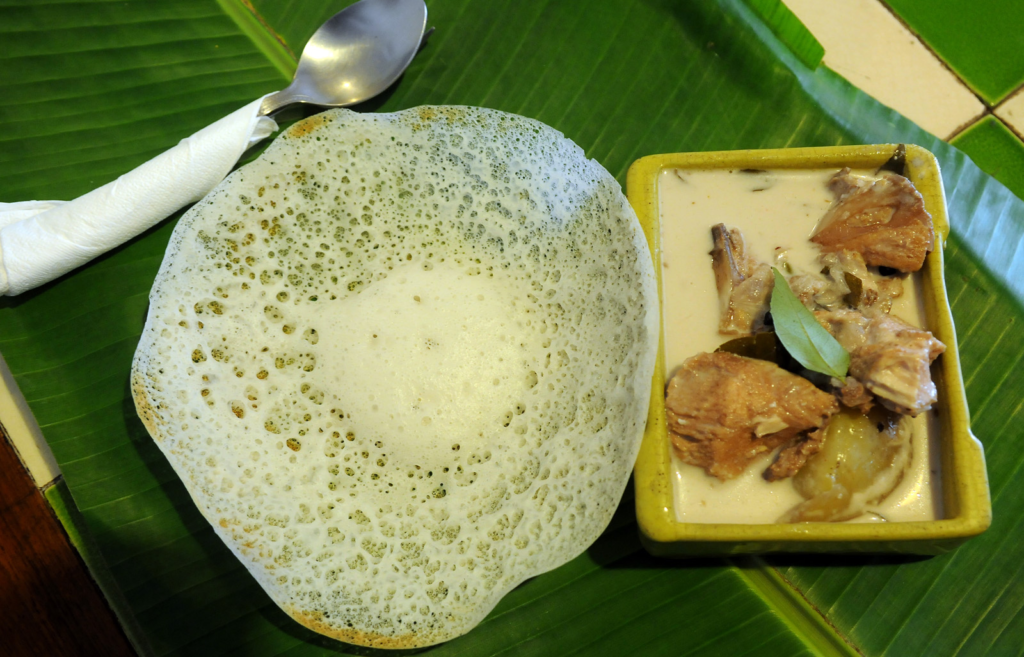
Appam is a lacy, bowl-shaped rice pancake that is crispy on the edges and soft and fluffy in the centre — and when served with a mild, coconut milk-based vegetable or chicken stew, it becomes something truly special.
Why you’ll love it:
- Looks beautiful and tastes even better
- The stew is mild and perfect for all age groups
- Naturally gluten-free
Quick recipe tips:
- Add a little cooked rice or rice flour to the appam batter for better texture
- Rest the batter overnight after adding yeast or toddy (or ENO fruit salt as a shortcut)
- Use an appam pan (appachatti) — the curved shape is essential
- The stew should be very mild — use coconut milk, thin vegetables, and whole spices like cinnamon and cloves
Best served with: Coconut milk stew (vegetable or chicken)
7. Sambar — The Soul of South Indian Cooking
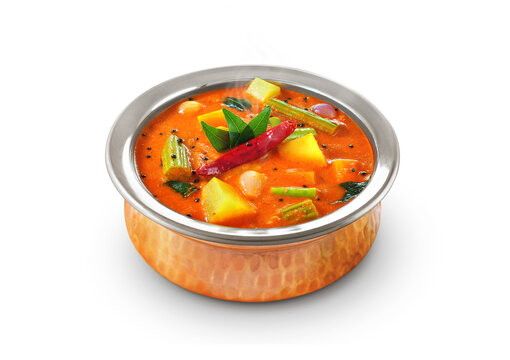
Sambar is not just a side dish — it is the soul of South Indian cuisine. This tangy, spicy, lentil-based stew is eaten with idli, dosa, rice, and vada across all four South Indian states.
Every family has their own sambar recipe passed down through generations — and that is what makes it so special.
Why you’ll love it:
- Nutritious, filling, and full of vegetables
- Pairs with almost every South Indian dish
- Can be made in large batches and stored
Quick recipe tips:
- Always use toor dal (pigeon pea lentil) — not moong or chana dal
- Make your own sambar powder by dry roasting and grinding: coriander seeds, cumin, pepper, dry red chilli, and curry leaves
- Tamarind is non-negotiable — use fresh tamarind pulp, not paste
- Add pearl onions (small onions) and drumstick for the most authentic flavour
- Temper at the end with mustard seeds, curry leaves, and dried red chilli in ghee
Best served with: Idli, dosa, steamed rice, or vada
8. Ragi Mudde — Karnataka’s Superfood Staple
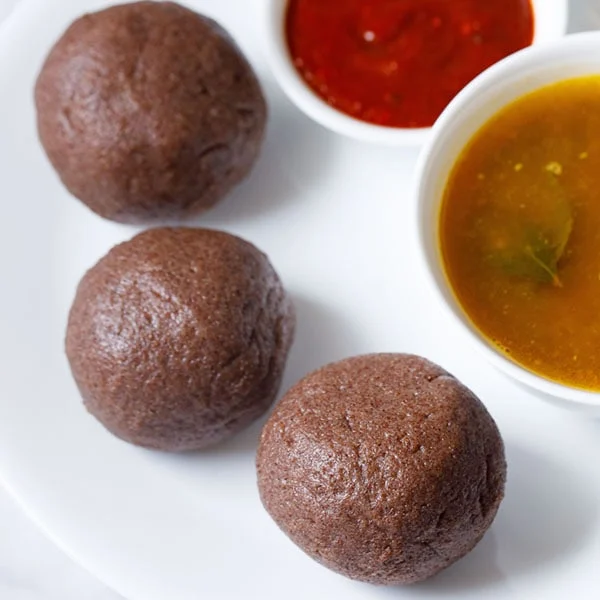
Ragi Mudde (finger millet ball) is one of Karnataka’s most traditional and nutritious foods — and it is making a massive comeback as a health superfood.
These dense, dark balls made from ragi (finger millet) flour are incredibly nutritious — high in calcium, iron, and fibre — and are traditionally eaten by farmers and athletes in Karnataka for sustained energy.
Why you’ll love it:
- One of the healthiest South Indian foods you can eat
- Very filling — one or two balls is a full meal
- Gluten-free and diabetic-friendly
Quick recipe tips:
- The water-to-flour ratio is everything — use 2.5 cups water for 1 cup ragi flour
- Bring water to a rolling boil before adding flour
- Stir continuously on high heat — no lumps allowed
- Shape into smooth balls using a wet hand while still hot
- Do not let it cool before shaping — it becomes hard
Best served with: Sambar, chicken saaru (rasam), or gongura chutney
9. Pesarattu — Andhra’s Protein-Packed Green Dosa
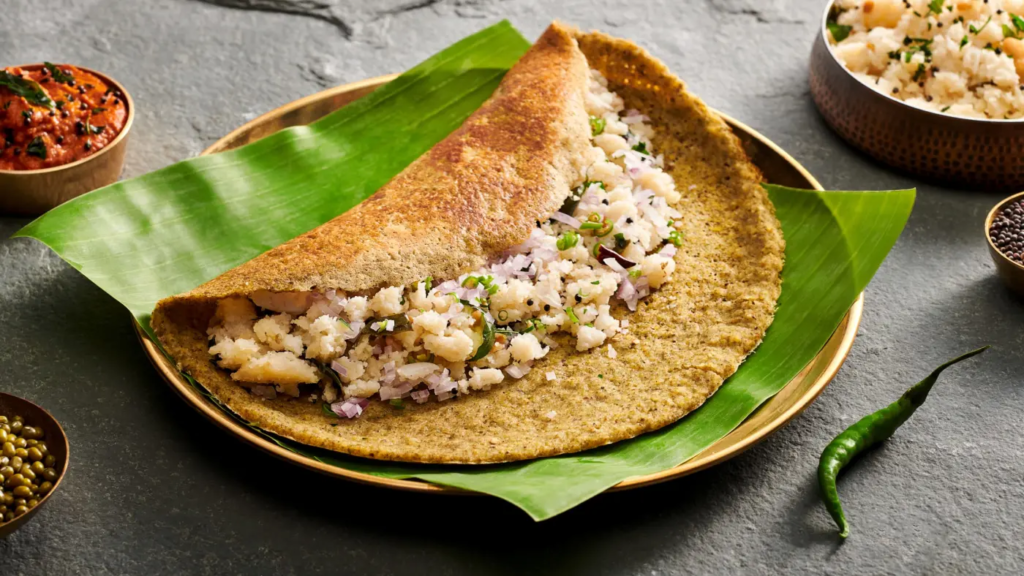
Pesarattu is Andhra Pradesh’s answer to the dosa — a crispy, thin crepe made entirely from whole moong dal (green gram) — no rice, no fermentation.
It is one of the healthiest South Indian breakfasts you can make, and it is ready in just 20 minutes once the dal is soaked.
Why you’ll love it:
- High in protein — made entirely from lentils
- No fermentation needed — soak for 4 hours and it’s ready
- Naturally gluten-free and vegan
Quick recipe tips:
- Soak whole green moong dal for 4–6 hours
- Grind with green chilli, ginger, and cumin — no need to add water-soaked rice
- The batter should be slightly thick — thicker than dosa batter
- Spread thinly and cook on medium heat — it takes slightly longer than regular dosa
- Top with finely chopped onions and ginger before folding
Best served with: Allam (ginger) chutney — the traditional Andhra pairing
10. Pongal — Tamil Nadu’s Most Sacred Dish
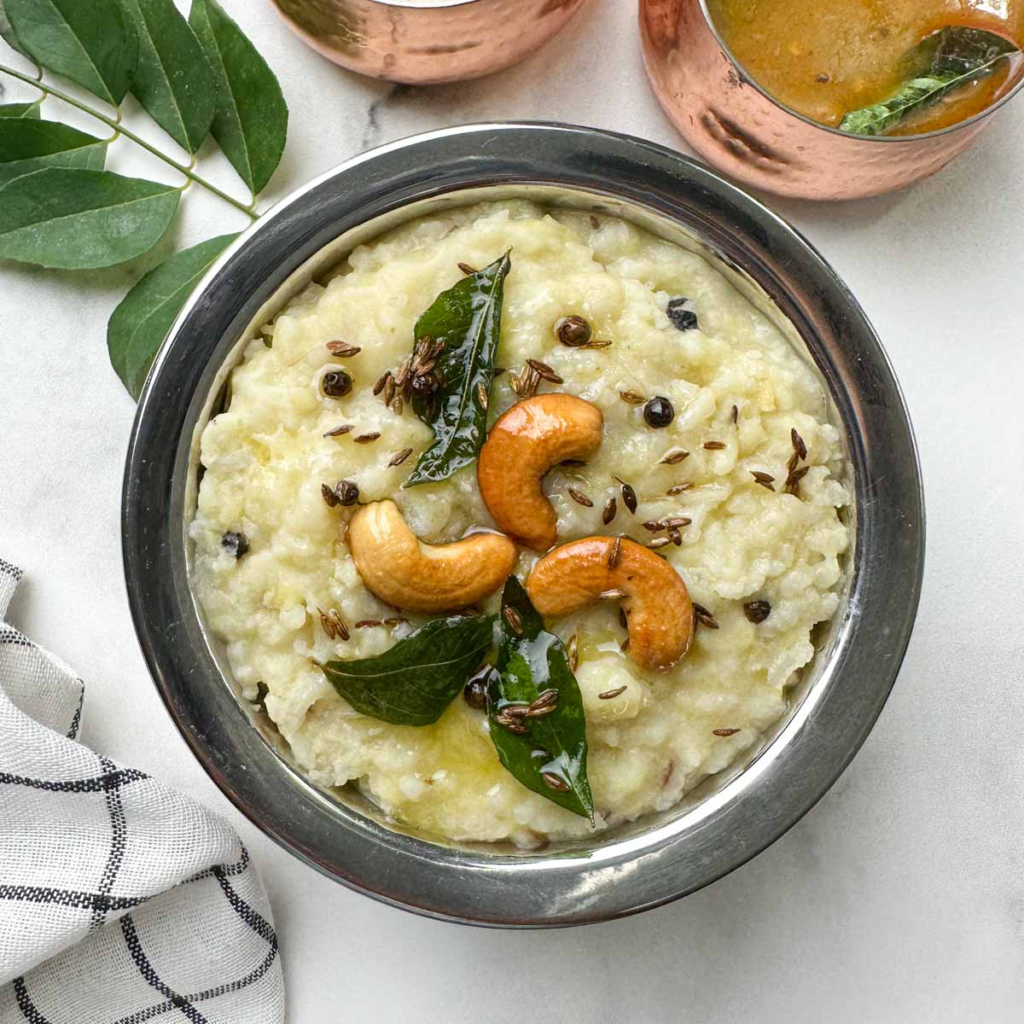
Pongal is not just food in Tamil Nadu — it is a festival, a prayer, and a tradition. This simple, comforting dish of rice and moong dal cooked together in ghee is made during the harvest festival of Pongal (January) and eaten for breakfast across Tamil Nadu year-round.
There are two versions — Ven Pongal (savoury) and Sakkarai Pongal (sweet).
Why you’ll love it:
- Incredibly simple — just rice, dal, and ghee
- Warming and comforting on cold mornings
- One of the easiest South Indian dishes to make
Ven Pongal quick recipe tips:
- Use a 1:1 ratio of raw rice to moong dal
- Cook in pressure cooker until very soft — almost mushy
- The tempering is everything: ghee + cumin + pepper + ginger + curry leaves + cashews
- Add a generous amount of black pepper — more than you think
- Serve immediately — Pongal hardens as it cools
Best served with: Sambar + coconut chutney + vada on the side
11. Hyderabadi Biryani — The Nawab’s Gift to the World
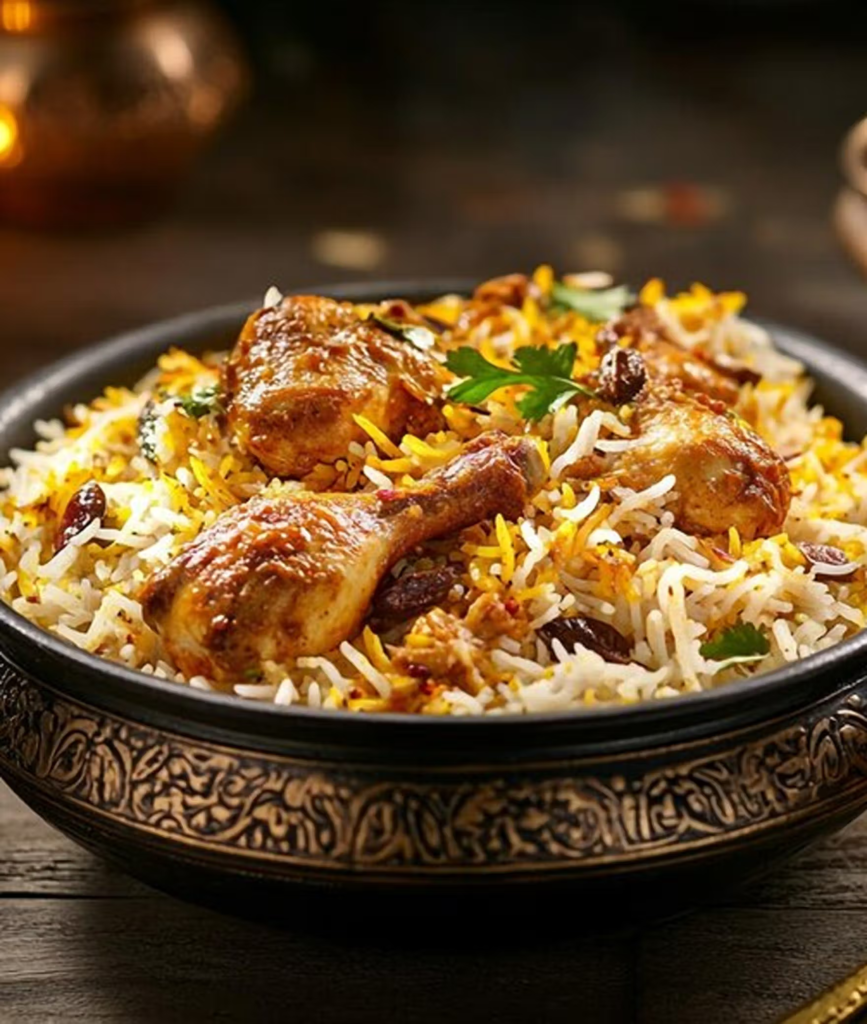
Hyderabadi Biryani is arguably India’s most famous biryani — and it originates from the royal kitchens of the Nizams of Hyderabad.
Made using the dum (slow steam) cooking method, this biryani layers marinated meat with partially cooked basmati rice and seals the pot with dough — creating a steam oven that results in the most fragrant, flavourful rice you have ever tasted.
Why you’ll love it:
- The most flavourful biryani in India — nothing compares
- The dum cooking method locks in all the aromas
- Impressive enough for any celebration or special occasion
Quick recipe tips:
- Marinate chicken for minimum 4 hours — overnight is best — with curd, saffron, fried onions, ginger-garlic paste, and biryani masala
- Parboil your basmati rice to exactly 70% — this is crucial
- Layer rice and chicken in a heavy-bottomed pot — never mix
- Seal the lid with atta (wheat dough) and cook on low flame for 25 minutes
- Saffron milk poured over the top layer gives colour and aroma
Best served with: Mirchi ka salan, raita, and boiled egg
12. Vada — South India’s Favourite Fried Snack
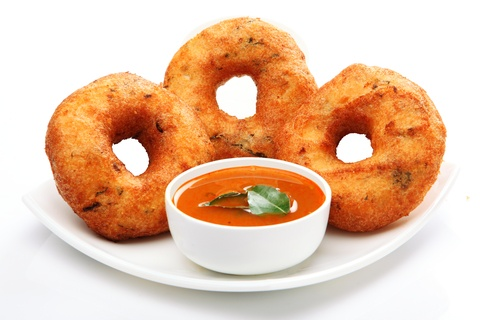
Medu Vada — crispy, golden, ring-shaped fritters made from urad dal — is one of the most beloved South Indian snacks and is eaten for breakfast, as a snack, or as part of a festive meal across all South Indian states.
Soaked in sambar and eaten as Sambar Vada — it becomes something truly divine.
Why you’ll love it:
- Crispy outside, soft and fluffy inside
- Perfect tea-time snack
- The same batter used for idli — no extra preparation needed
Quick recipe tips:
- Soak urad dal for 4 hours — drain completely before grinding
- Grind to a thick, fluffy batter — add as little water as possible
- The batter should be stiff enough to hold a ring shape
- Wet your hand before shaping — poke a hole in the centre with your thumb
- Fry on medium heat — not high heat — for an evenly cooked inside
Best served with: Coconut chutney + sambar. Or dipped in sambar for 5 minutes before eating.
13. Kerala Puttu and Kadala Curry — A Match Made in Heaven
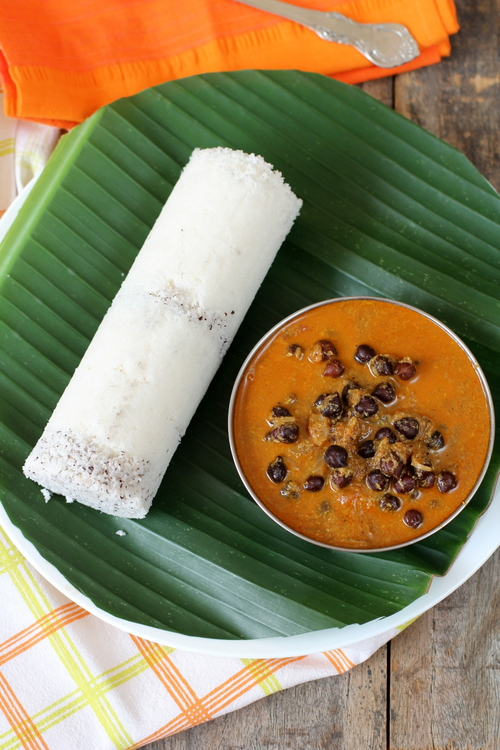
Puttu is a cylindrical steamed rice cake made with coarsely ground rice flour and fresh coconut — and when paired with Kadala Curry (black chickpea curry), it creates one of Kerala’s most iconic and satisfying breakfast combinations.
Why you’ll love it:
- The texture contrast between crumbly puttu and spicy kadala curry is unbeatable
- Filling and nutritious — keeps you full until lunch
- Completely vegan
Quick recipe tips:
- Use puttu podi (roasted rice flour) — available in all Kerala grocery stores
- Mix flour with water in small amounts — the mixture should hold its shape when pressed but crumble when rubbed between fingers
- Layer coconut and rice flour alternately in the puttu maker
- Steam for exactly 5–7 minutes — do not over-steam
- For kadala curry: soak black chickpeas overnight, pressure cook, then cook in Kerala-style coconut gravy with curry leaves and roasted coconut
Best served with: Kadala curry, ripe banana, or pappadum
14. Gongura Mutton — Andhra’s Most Addictive Curry
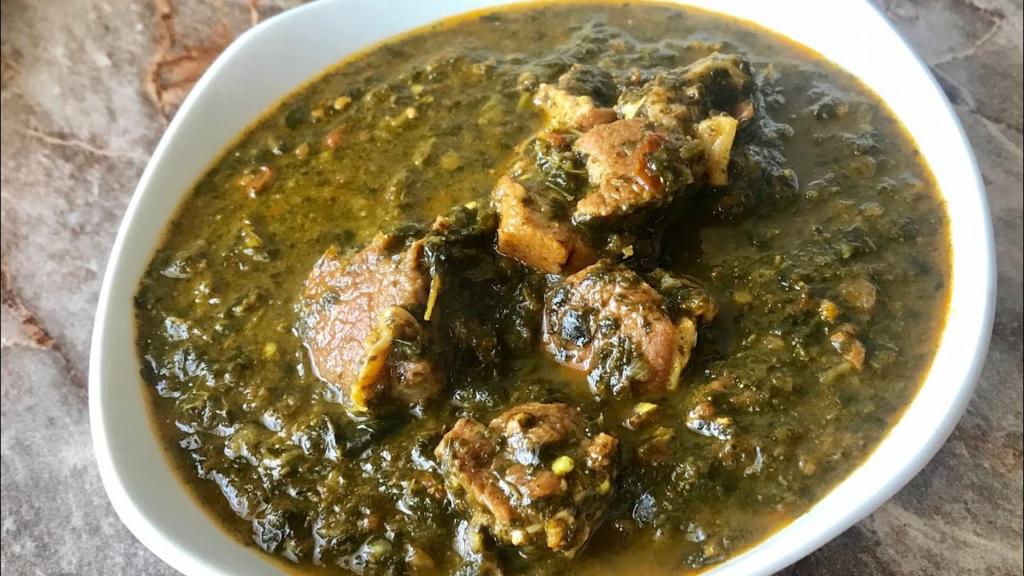
Gongura Mutton is Andhra Pradesh’s crown jewel — a fiery, tangy mutton curry made with gongura (sorrel leaves) that gives it a completely unique sour flavour that you will find nowhere else in the world.
Why you’ll love it:
- Unlike any other curry in India — the gongura sourness is addictive
- A true celebration dish in Andhra households
- Pairs beautifully with both rice and roti
Quick recipe tips:
- Fresh gongura (red sorrel leaves) is available in most South Indian vegetable markets
- Wilt the gongura separately before adding to the curry
- Marinate mutton with red chilli paste, turmeric, and salt for 1 hour
- Cook mutton separately until tender, then combine with gongura paste and cook together
- This curry tastes even better the next day — make it ahead
Best served with: Steamed white rice and a dollop of ghee
15. Filter Coffee — South India’s Most Sacred Ritual
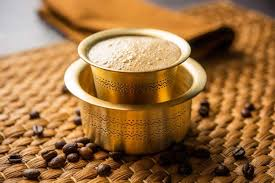
We cannot end a list of South Indian special foods without talking about the South Indian Filter Coffee — the frothy, aromatic, perfectly balanced cup of coffee that begins every morning in millions of South Indian homes.
Made by filtering coarsely ground coffee powder through a traditional stainless steel filter, mixed with thick, boiled milk and pulled between two tumblers to create a frothy, well-mixed cup — this is not just coffee. It is a ritual.
Why you’ll love it:
- The deep, rich flavour of filtered decoction is unlike instant coffee
- The pulling method creates a perfect froth
- Served in the iconic stainless steel tumbler and dabara — part of the experience
Quick tips:
- Use a 70:30 or 80:20 blend of Arabica and chicory coffee powder
- Fill the upper filter with 2 heaped tablespoons of powder, press lightly, and pour hot water
- Let the decoction drip slowly — at least 15 minutes
- Boil full-fat milk separately and add decoction + sugar
- Pull between the tumbler and dabara at least 5–6 times for the perfect froth
Best served in: The traditional stainless steel tumbler and dabara, served hot
Final Thoughts — Cook South India at Home
South Indian food is much more than what you find in restaurants. It is home cooking, family traditions, grandmother’s secrets, and the love of a people expressed through spices and fire.
Every dish on this list can be made in your kitchen — and every time you make it, it will taste a little different, a little more yours.
Start with whichever dish calls to you most — whether it is the crispy Masala Dosa, the royal Hyderabadi Biryani, or the humble Ragi Mudde — and share it with your family tonight.
Have a recipe you want me to write in detail? Comment below and I’ll cover it in my next post!
Happy cooking, Punith — Brocooked
If you enjoy bold and spicy South Indian flavours, you should definitely try our Chicken Pepper Fry
Seafood lovers will absolutely enjoy a traditional Fish Curry,
If you’re looking for vegetarian options, a delicious Vegetable Biryani
And if you love creamy, restaurant-style dishes, don’t miss our Paneer Butter Masala
Pingback: Best Sambar Recipe (Easy South Indian Sambar for Rice & Idli in 30 Minutes)